Owning a home in Gilbert is a dream until water starts dripping through the ceiling at two in the morning. Let’s be real, plumbing is one of those things we take for granted until it stops working, and by then, it’s usually an expensive mess. That’s why a little bit of looking around now can save you a massive headache later.
Why You Need a Routine Checkup
Think of your plumbing system like your car. You wouldn’t drive 50,000 miles without changing the oil, right? Yet, so many of us ignore our pipes until a drain clogs or a pipe bursts. It’s wild when you think about it.
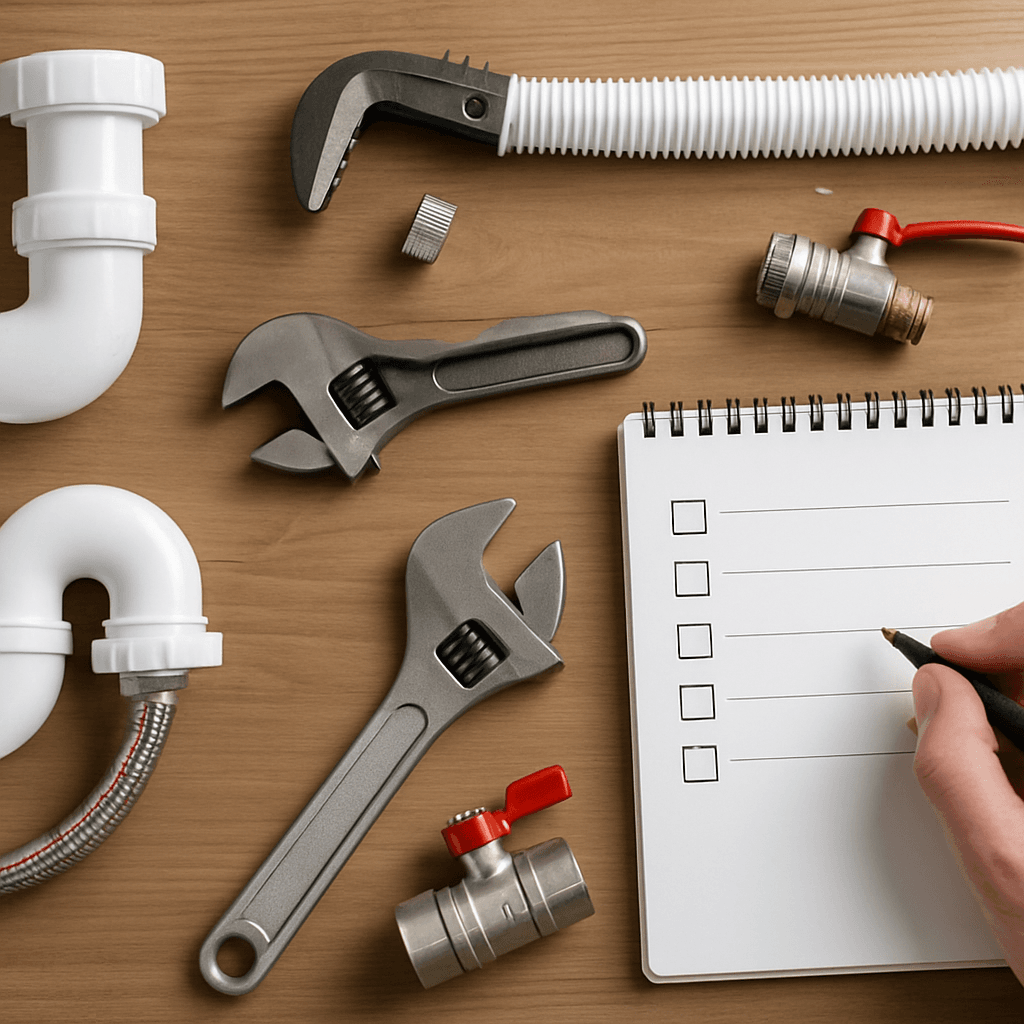
Here’s the thing: water damage is sneaky. It doesn’t always announce itself with a flood. Sometimes it’s a slow drip behind a wall that rots your framing over six months. By using a solid home plumbing checklist, you aren’t just looking for leaks; you are protecting your biggest investment. Plus, catching a small issue costs pennies compared to the thousands you’d spend on restoration.
The Kitchen: The Heart of the Home
The kitchen sees the most action. Between cooking, cleaning, and kids grabbing glasses of water, your fixtures here take a beating.
The Garbage Disposal
This is probably the most abused appliance in Gilbert homes. People treat it like a trash compactor, but it really isn’t.
- Listen to the sound: If it’s humming but not grinding, it’s jammed.
- Check for leaks: Look under the sink. Is there moisture directly under the disposal unit? That’s a seal failure.
- Clean it naturally: Grind up some ice cubes and lemon peels. The ice sharpens the blades, and the lemon kills that funky smell.
The Sink and Faucet
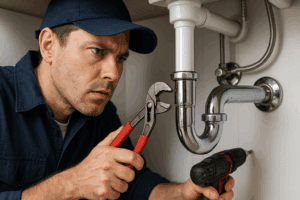
Check the supply lines underneath. You’re looking for any signs of corrosion or moisture. Also, test your shut-off valves. If you can’t turn them by hand now, you won’t be able to turn them during an emergency.
And please, stop pouring grease down the drain. I know it’s tempting when the pan is hot, but once that grease cools, it solidifies and creates a clogged kitchen sink faster than you can say “drain snake.”
Bathroom Basics: Where Water Goes to Hide
Bathrooms are wet zones, which makes spotting a leak tricky. You might think a little water on the floor is just from the shower, but is it?
The Toilet Troubles
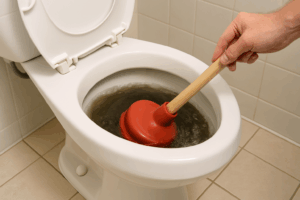
Go to your toilet and just listen. Do you hear water running even though nobody flushed recently? That’s a “phantom flush.” It usually means the flapper inside the tank is worn out. It’s a five-dollar part, but ignoring it can waste hundreds of gallons of water a month.
- Rock the bowl: Straddle the toilet and try to rock it gently. It shouldn’t move. If it does, your wax ring might be compromised, which leads to leaks at the base.
- Check the supply line: Just like the kitchen, make sure the hose feeding water to the tank isn’t cracked.
Showers and Tubs
Take a look at the caulking around your tub or shower stall. If you see gaps or black mold spots, that caulk needs to go. Water seeps into those tiny cracks and rots the floorboards underneath. It’s an easy weekend DIY job to scrape it out and re-caulk, but it saves your subfloor.
The Utility Room: The Heavy Lifters
This is usually where the big, expensive equipment lives. If you ignore this room, you’re playing with fire (or water, technically).
Your Water Heater
In Gilbert, our hard water is brutal on water heaters. Sediment builds up at the bottom of the tank, creating a layer of rock that the burner has to heat through. This makes your heater work harder and die younger.
What to look for:
- Rust: Look at the bottom of the tank. Rust flakes are a bad sign.
- The TPR Valve: That little lever on the side? Lift it fast and let it snap back. A little water should squirt out. If it doesn’t, or if it keeps dripping, the valve is bad. This valve prevents your tank from exploding due to pressure, so yeah, it’s important.
- Age: If your unit is over 10 years old, start saving for a replacement.
Washing Machine Hoses
Check the hoses behind your washer. If they are black rubber, pay attention. If you see a bulge or a crack, replace them immediately. Honestly, you should swap them out for braided stainless steel hoses. They barely cost more and they rarely burst. A burst washer hose can flood a house in minutes.
Gilbert Specifics: Hard Water and Dry Heat
We live in the desert. That means our plumbing faces challenges that someone in Seattle doesn’t worry about. The water here is “hard,” meaning it’s full of minerals like calcium and magnesium.
| Sign of Trouble | What It Means | Quick Fix |
|---|---|---|
| White crust on faucets | Calcium buildup (Scale) | Soak in vinegar overnight |
| Dry, itchy skin | Hard water | Install a water softener |
| Low water pressure | Mineral clogged aerators | Unscrew aerator and clean |
If you don’t have a water softener, your appliances are dying a slow death. The scale buildup ruins the internal components of dishwashers, heaters, and coffee makers. Checking your softener’s salt levels should be on your monthly to-do list.
Outdoor Plumbing: The Desert Check
You might not think about the plumbing outside, but leaks here are notorious for going unnoticed until you get a massive water bill.
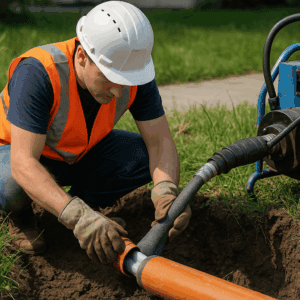
Walk around your house to every hose bib (spigot). Turn them on and off. Do they drip when closed? If so, the washer inside is shot. Also, check for “slab leaks.” If you hear water running when everything is off, or if you feel a random hot spot on your floor, you might have a pipe leaking under the concrete foundation. That is a job for Gilbert plumbing experts, not a DIY fix.
Also, do you know where your main water shut-off valve is? Go find it. Right now. If a pipe bursts, you need to be able to shut the whole house down in seconds.
When to Put Down the Wrench
Look, I’m all for saving money and doing things yourself. Tightening a loose handle or clearing a p-trap is great. But there are times when you need to step back.
If you smell gas, don’t mess around—get out and call a pro. If sewage is backing up into your tub, that’s a main line issue, and pouring chemicals down the drain won’t fix it. In fact, chemical drain cleaners can actually melt old pipes or turn the clog into a solid rock.
Sometimes, the smartest move is admitting you need help. It’s cheaper to pay a plumber for an hour of work than to pay for a flooded kitchen because you accidentally twisted a pipe too hard.
Peace of Mind is Priceless
Maintaining a home takes work, but it doesn’t have to be overwhelming. By walking through this checklist a couple of times a year, you catch the small stuff before it becomes a disaster. You sleep better knowing your pipes aren’t about to burst, and your wallet stays happier, too.
But hey, maybe you found something on this list that looks suspicious, or maybe you just want a professional eye to give your system a once-over. We’ve seen it all, from corroded heaters to mysterious leaks, and we’re here to help you get it sorted out fast.