You finally step into the shower after a long, blistering hot day in Gilbert, expecting a refreshing blast of water, but instead, you get a sad, pathetic drizzle. Honestly, there is nothing quite as frustrating as low water pressure when you just want to rinse the shampoo out of your hair. If you are tired of weak faucets and trickling showerheads, you are in the right place to get things flowing again.
Why Your Morning Shower Feels Like a Sad Drizzle
Let me explain. You know what? It happens to the best of us. One day your water is blasting out perfectly. The next day, you can barely rinse the soap off your hands. It drives you crazy.
We see this issue all the time across the East Valley. Homeowners turn on the tap and get nothing but a wimpy stream. It is annoying. It wastes your precious time. So, what is going on behind your drywall?
Sometimes the issue isolates to one single fixture. You might notice the kitchen sink flows fine, but the guest bathroom is barely trickling. Other times, the whole house drops to a crawl. If your entire Gilbert home suffers from weak flow, we need to look at the big picture. Let’s explore what causes this headache.
What is Choking Your Plumbing System?
Here’s the thing. Pipes don’t lose pressure for no reason. Something blocks the flow, or a specific part breaks. Let’s look at the main culprits causing your grief.
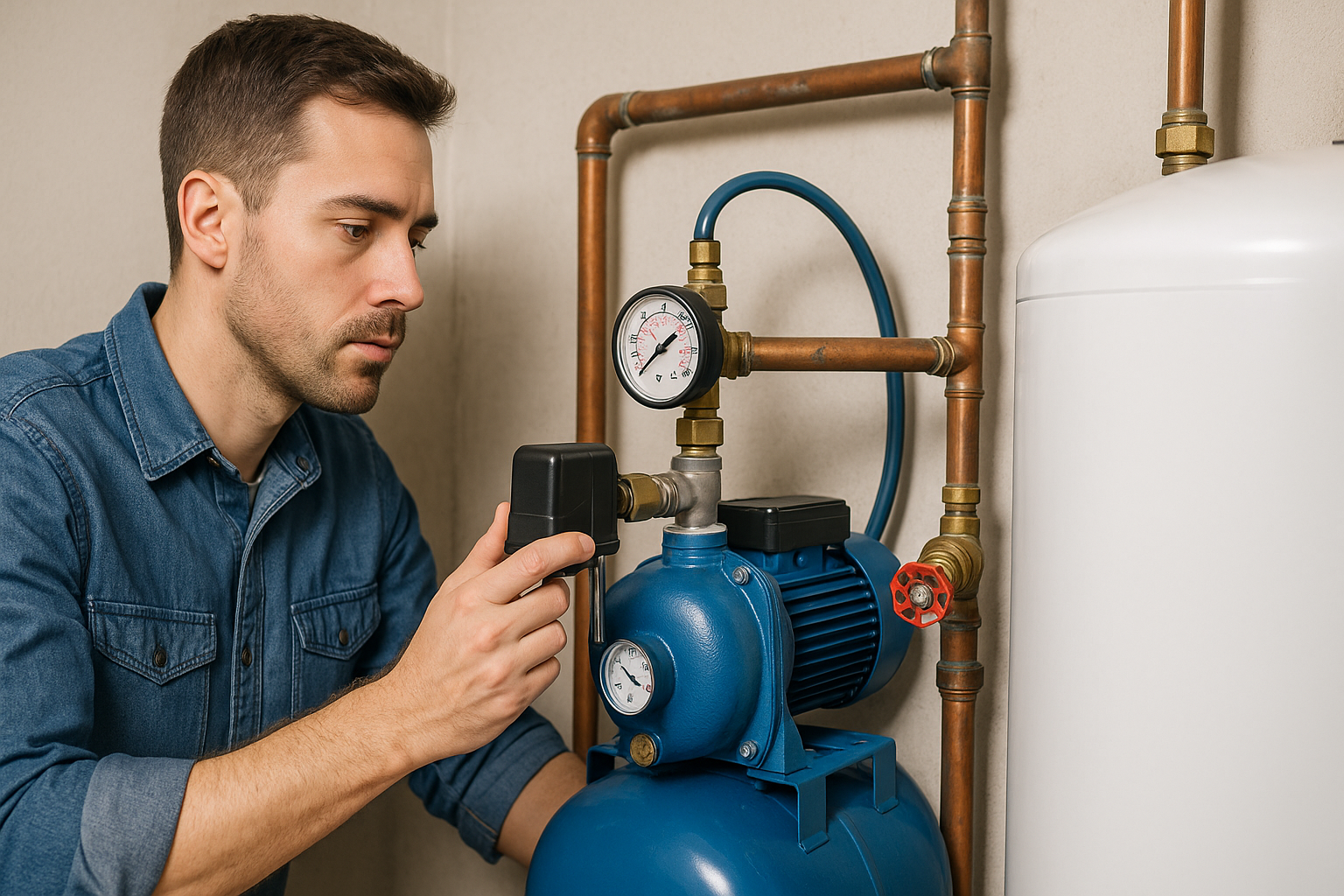
- The Pressure Reducing Valve (PRV): This bell-shaped device sits on your main water line. It protects your house from high municipal city pressure. If this valve fails, your home pressure tanks.
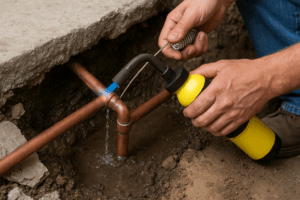
- Hidden Leaks: This one is scary. Water might escape beneath your foundation or inside a wall. A massive leak steals your water before it ever reaches the faucet.
- The Main Shut-Off Valve: Did you recently have yard work done? Sometimes plumbers or city workers turn the main valve off and forget to open it all the way back up. It sounds silly, but it happens all the time.
- Clogged Aerators: Look at the tip of your bathroom faucet. That little screen is the aerator. It traps dirt and minerals. When it gets stuffed full of gunk, the water stays trapped inside.
I have seen PRVs fail countless times in our local neighborhoods. You might think you need a massive, expensive repiping job. Honestly, sometimes you just need a quick PRV adjustment. We swap out the bad part, and boom—your shower feels like a waterfall again.
The Sneaky Saboteur: Arizona Hard Water
You can’t talk about plumbing in Gilbert, AZ without mentioning our local tap water. It is rough stuff. Our water travels through miles of desert rock, picking up massive amounts of calcium and magnesium along the way.
Sure, these minerals are fine to drink. But they are brutal on your plumbing system. Over time, calcium builds up inside your pipes. We call this scale. It creates a thick, crusty layer that shrinks the inside diameter of your plumbing lines.
Imagine trying to breathe through a tiny plastic coffee straw. That is what your plumbing experiences when scale takes over. The water physically can’t push through the narrowed opening.
Let me break down how different hard water issues impact your home flow.
| Problem Area | What You Notice | The Quick Fix |
|---|---|---|
| Showerheads | Spray shoots in weird, wonky directions | Soak the fixture in white vinegar |
| Faucets | Water trickles or spits air | Unscrew the aerator and scrub it clean |
| Supply Lines | Hot water pressure drops noticeably | Flush the water heater tank yearly |
You know, hard water also wreaks havoc on your skin and hair, leaving you feeling dry and itchy. But that is a tangent for another day. The main point is this: hard water destroys pipe flow. If you don’t have a reliable water softener installed, mineral buildup is going to happen.
Are Your Old Pipes Holding You Back?
Let me share a little history about plumbing materials. It matters more than you think. If you live in an older Gilbert neighborhood near the Heritage District, your house might still rely on galvanized steel pipes.
These old metal pipes looked tough on the outside. But inside? They rust. Over decades, corrosion eats away at the metal. The rust creates a thick, bumpy sludge inside the water line. This rust buildup blocks the water path.
You might think you have a pressure issue. The reality is you have a volume issue. The water can’t squeeze past the rust. When old pipes corrode this much, no amount of vinegar or valve twisting will fix it. You have to replace them.
Upgrading to modern PEX tubing or copper piping makes a massive difference. Residential repiping gives you clean, rust-free water and a heavy, satisfying flow.
Quick DIY Tricks You Can Actually Pull Off
Before you panic and assume your house needs thousands of dollars in repairs, try a few simple things. You don’t need a plumbing license for these tricks.
First, check multiple fixtures. Is the hot water weak, but the cold water remains strong? If your hot water pressure is the only thing dropping, your water heater is the culprit. Sediment loves to pile up at the bottom of the tank. Flushing your water heater often clears this right up.
Next, go look at your main water meter. Make sure all the faucets inside are shut off. If the tiny leak indicator dial on the meter is spinning, you have a hidden leak. This means water is escaping somewhere underground. That is an emergency.
For single faucets, grab a wrench and some common household vinegar. Unscrew the aerator. Drop it in a bowl of white vinegar for an hour. Scrub it with an old toothbrush. You will be shocked by the chunks of crusty white scale that fall out. Screw it back on. The pressure often returns in a flash.
When to Throw in the Towel and Call the Pros
Okay, let’s be real. Vinegar and a toothbrush will only get you so far. Sometimes the problem buries itself deep underground or hides behind the drywall.
If your entire home has low pressure, and the main valve is open, you need a professional. We check the hydrostatic pressure using specialized gauges. We test the flow rate at the meter.
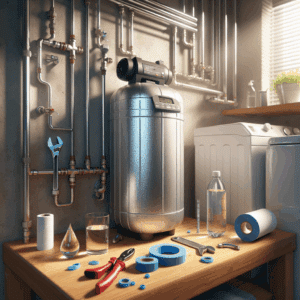
We also inspect your water softener manifold. Many homeowners install water softeners to fight back against the harsh Arizona minerals. This is a smart move. But softeners require maintenance. Sometimes, the internal parts break down. A part called the distributor tube can fail.
When this happens, millions of tiny plastic resin beads shoot directly into your home’s water lines. It sounds crazy, but we see it happen. These tiny beads travel to every sink, shower, and toilet in the house. If your water flow drops all of a sudden and you find tiny, yellow beads in your sink screen, your softener just failed. You need a professional to flush the entire system.
You should never mess with the Pressure Reducing Valve by yourself. Adjusting a PRV requires precise calibration. If you tighten it too much, the water pressure spikes to dangerous levels. High pressure blows out washing machine hoses and bursts pipe joints. You don’t want a flooded kitchen. Let an expert handle the heavy lifting.
We understand the local architecture and pipe setups in our community. From older homes to brand new builds down in the southern suburbs, we know what makes these local systems tick.
Let’s Get That Water Flowing Again
You deserve a great shower. You deserve to wash your dishes without waiting twenty minutes for the sink to fill up. Life is just too short to deal with a weak, frustrating water supply.
If your home feels like it is running on empty, we are here to help. At Gilbert Plumbing Company, we pinpoint the exact cause of your pressure drop. We fix it fast, and we fix it right. We treat your home like we treat our own.
Are you ready to fix your plumbing headaches for good? Don’t let a bad valve or crusty old pipes ruin your day. Give us a shout right now.