Drip. Drip. Drip. Honestly, is there anything more annoying than lying awake at night listening to your bathroom sink slowly counting down the seconds? If you are dealing with a leaky fixture, you need to fix your faucet fast before it drives you entirely crazy—and jacks up your water bill.
Why That Constant Drip is Actually a Big Deal
You know what? It is rarely just a tiny drip. It is literally money down the drain. Let me explain.
A seemingly innocent leak from a worn-out bathroom sink can waste hundreds of gallons of fresh water every single month. That water goes straight down the pipes, completely unused, while your utility bill slowly climbs higher and higher. We live in the desert. Here in Gilbert, AZ, water is a precious resource. Paying for water you do not even use just feels wrong.
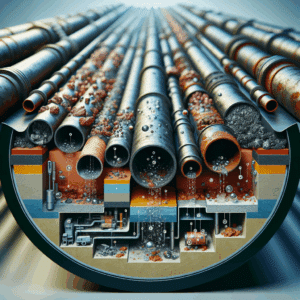
But it goes beyond just the water bill. We also have to talk about the physical toll on your plumbing. Arizona is notorious for having incredibly hard water. If you have lived here for more than a week, you already know about the crusty white mineral buildup that coats your shower glass and clogs your showerheads. Well, that same calcium and magnesium buildup wreaks havoc inside your pipes. Hard water eats away at rubber washers, dries out silicone seals, and grinds down the delicate internal cartridges of your fixtures.
Because hard water contains these heavy minerals, it destroys rubber seals much faster than soft water would. Those broken seals lead directly to leaks. So, when your sink starts crying, it is usually a cry for help.
What Kind of Hardware Are We Dealing With?
Before you grab a random wrench from the garage and start swinging, we need to figure out what kind of setup you actually have. Taking apart a fixture blindly is a great way to turn a small weekend project into a massive headache.
There are four main types of mechanisms found in most residential homes. Figuring out yours is step one.
- Compression Faucets: These are the classic, older models with two separate handles—one for hot, one for cold. You twist them tightly to stop the flow of water. They rely on basic rubber washers pressed against a metal valve seat. Those washers dry out, crack, and eventually fail.
- Cartridge Faucets: These are incredibly common nowadays. They feature a small plastic or brass cylinder inside (the cartridge) that moves up and down to control the water flow. When these leak, you usually just swap out the whole cartridge.
- Ceramic Disk Faucets: These are the fancy, modern ones. Two smooth ceramic plates slide over each other to let water through or block it. They are highly durable and rarely leak. But when they do finally break, you will likely need to replace the inner cylinder completely.
- Ball Faucets: You will mostly spot these in the kitchen sink. They use a single handle that pivots over a dome-shaped cap. Inside, they are full of tiny, easily lost parts like springs and O-rings. Honestly, these can be a bit of a nightmare for beginners.
Speaking of kitchen sinks, why do they always seem to break right before you have to cook a massive holiday dinner? It never fails. You go to wash some vegetables, and suddenly the handle feels loose, and water is pooling around the base. Anyway, back to the repair process.
The “Please Don’t Wreck the Sink” Toolkit
Here is the thing—you absolutely do not need an entire hardware store to do a basic Residential Plumbing repair. A few simple items will usually get the job done. Just dig these out of your toolbox.
| Tool You Need | What It Actually Does | A Helpful Pro Tip |
|---|---|---|
| Allen Wrench (Hex Key) | Loosens the tiny set screw hiding under the handle. | Keep a folding multi-size set handy. |
| Flathead Screwdriver | Pops off decorative plastic caps without scratching. | Be gentle! Old plastic caps snap easily. |
| Adjustable Wrench | Loosens the main packing nut holding everything together. | Wrap the jaws in an old rag to protect the metal finish. |
Got your tools together? Found the correct size Allen wrench on the first try? Miraculous. Let’s fix this thing.
Step-by-Step: Stop the Leak Without Flooding the House
Okay, first things first. Turn off the water! I cannot stress this enough. You might think, “Oh, I will just be quick and swap the part.” No. You will flood your bathroom, ruin your baseboards, and end up having a very bad day.
Look directly under the sink. You will see two small, oval-shaped valves connected to the wall. Turn those valves clockwise until they stop completely. Next, turn on the tap above to let any leftover water drain out of the lines.
Now, cover the drain. Seriously, put a washcloth or towel over the open drain hole right now. Dropping a tiny, irreplaceable brass screw down the P-trap is a nightmare you do not want to experience.
Once your drain is safe, pop the decorative cap off the handle (using your flathead screwdriver) and locate the screw holding the handle in place. Unscrew it and wiggle the handle straight up and off. Once the handle is removed, you will see the inner workings of the valve.
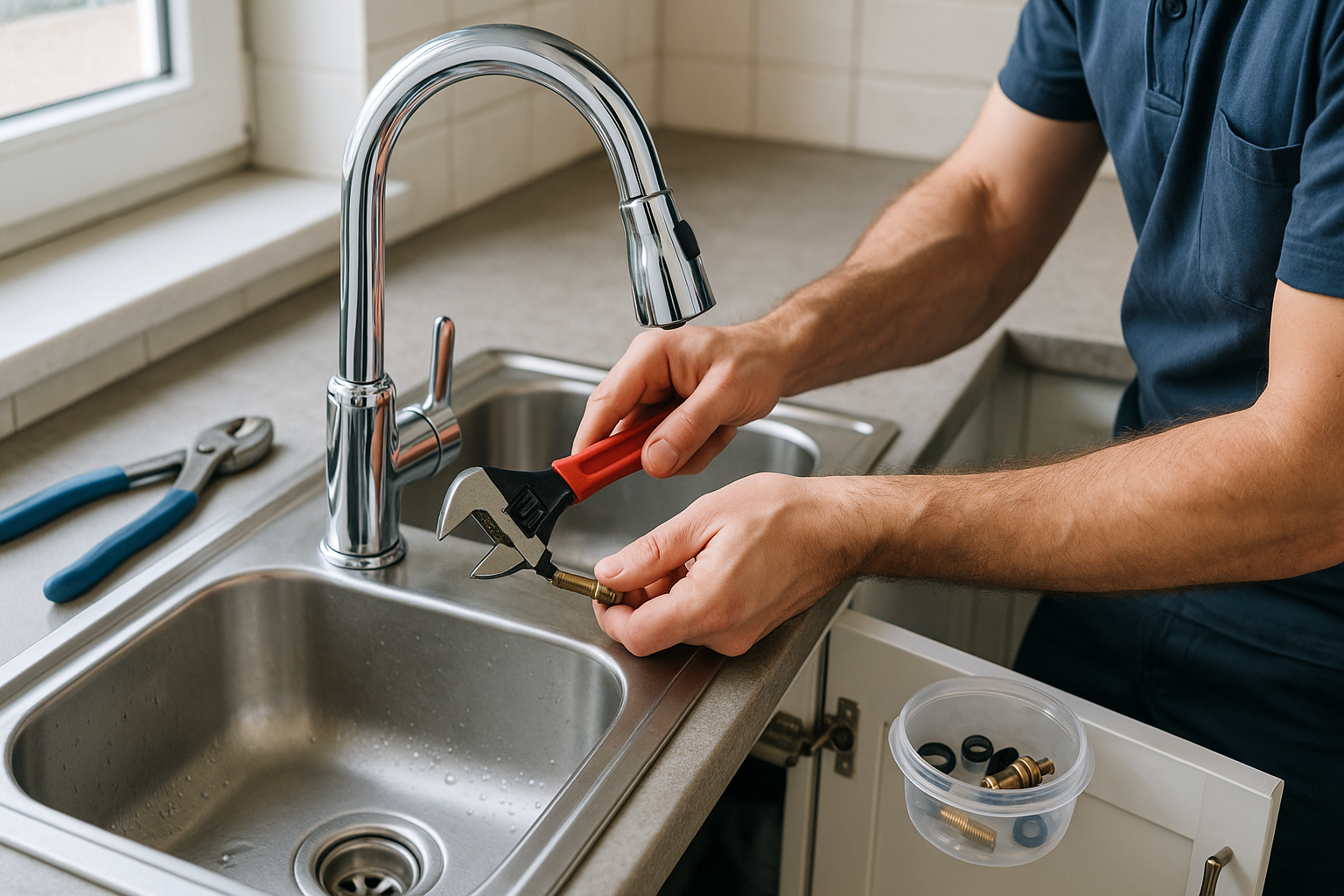
Use your adjustable wrench to loosen the packing nut. If you have a cartridge faucet, simply grab the old cartridge with a pair of pliers and pull it straight out. Sometimes they get totally stuck with crusty mineral buildup. You might need to wiggle it forcefully. Take that nasty, calcified old piece to the local hardware store, match it up with a brand new one, and slide the fresh cartridge right back into the slot.
If you have a compression setup, you are looking for a worn-out, flattened rubber washer or a torn O-ring. Remove the broken rubber piece, wipe away any grime, and pop the new washer in. Smear a tiny bit of plumber’s grease on the new rubber to help it last longer against our tough Arizona water.
Put the nut back on, reattach the handle, and slowly turn the water supply valves under the sink back on.
Sounds easy, right? Well, it usually is. Except when it isn’t.
When to Wave the White Flag
I know I just made that repair sound like an absolute breeze. But honestly, sometimes a quick DIY faucet replacement turns into an all-day, incredibly frustrating ordeal.
You take the whole assembly apart perfectly. You drive all the way to the store, find the exact right parts, put it all back together, turn the water back on… and it still drips. Or worse, water starts spraying aggressively out of the handle base and hitting the bathroom mirror.
Here are a few glaring signs that you should probably put down the wrench and call a professional:
- The shut-off valves are frozen. If you reach under the sink to turn off the water and those little oval handles refuse to budge, stop. If you force them, you will likely snap the pipe right behind the drywall. That turns a minor annoyance into a major disaster.
- The water pressure is suddenly terrible. If you fix the leak but the water barely trickles out, you might have knocked a chunk of calcium loose that is now blocking the aerator, or you might have a hidden leak elsewhere.
- You discover massive corrosion. If you take the handle off and the inside looks like a rusted, crumbling ancient artifact, replacing a single rubber washer is not going to save you. You need a whole new fixture.
- You simply do not have the time. Your weekends are incredibly valuable. Spending six hours watching confusing online tutorials while crammed upside down under a dark, damp sink is not a great way to spend a Saturday.
There is absolutely no shame in asking for help. We see it happen all the time. A homeowner starts a project with the absolute best intentions, hits a frustrating roadblock, and we come in to finish the job cleanly and correctly. We get it. Plumbing is tricky.
Leave the Annoying Drips to the Local Pros
If you live around here and you are completely tired of fighting with your plumbing, we have got your back. Whether it is a simple guest bathroom sink that will not stop crying, a complicated kitchen sprayer that has lost its mind, or a leaky bathtub spout, our experienced team at Gilbert Plumbing Company knows exactly how to handle it.
We know Gilbert homes. We know the exact local water conditions that destroy fixtures. And most importantly, we know how to get your house back to normal quickly so you can actually enjoy your hard-earned weekend in peace.
Do not let a minor, highly fixable nuisance turn into a major water damage headache. You deserve to sleep through the night without hearing that agonizing dripping sound. Stop the drip, save your sanity, and lower that monthly utility bill for good.
Ready to finally get that pesky leak sorted out by the Gilbert plumbing experts? Reach out to us today.